
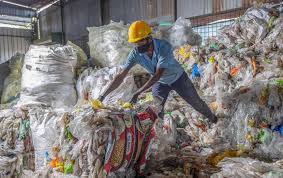
Trade waste, generated by commercial and industrial activities, represents a significant component of urban and industrial waste streams. Proper management of trade waste disposal is essential to maintain operational efficiency, comply with environmental regulations, and minimize negative impacts on public health and the environment. Implementing effective trade waste disposal solutions ensures that businesses handle waste responsibly, reduce operational risks, and contribute to sustainable waste management practices.
The Importance of Trade Waste Disposal
Trade waste includes materials such as packaging, food waste, chemical residues, plastics, metals, and other by-products produced by businesses during their operations. Improper disposal of trade waste can lead to environmental contamination, regulatory fines, and reputational damage. Efficient trade waste management supports operational continuity by minimizing risks associated with accidents, spillages, or legal non-compliance. Additionally, responsible handling of trade waste contributes to broader environmental sustainability by diverting recoverable materials to recycling or resource recovery processes.
Regulatory Compliance and Standards
Effective trade waste disposal requires strict adherence to local, regional, and national regulations. Businesses are often required to separate waste types, maintain records of disposal, and use licensed waste collection services. Compliance ensures that hazardous or non-recyclable materials are managed safely, reducing risks to employees, customers, and surrounding communities. Regulatory frameworks also provide guidelines for recycling, treatment, and disposal, supporting a structured approach to trade waste management. Businesses that follow these standards not only avoid penalties but also enhance their sustainability credentials.
Trade Waste Disposal Process
The disposal of trade waste typically involves several stages to ensure efficiency and compliance. First, waste is collected and segregated according to type and potential for recycling or treatment. Common categories include general waste, organic waste, hazardous materials, and recyclable items such as plastics, metals, and paper. Proper labeling and storage prevent contamination and facilitate downstream processing. Licensed waste contractors then transport the waste to treatment or disposal facilities. Recyclable materials are processed and reintegrated into industrial supply chains, while non-recyclable or hazardous waste is treated according to environmental standards.
Benefits of Efficient Trade Waste Management
Efficient trade waste disposal offers multiple benefits for businesses and the environment. Operationally, it reduces clutter, enhances workplace safety, and prevents disruptions caused by waste accumulation. Economically, recycling and reusing materials can reduce raw material costs and disposal expenses. Environmentally, effective trade waste management reduces landfill usage, conserves natural resources, and lowers greenhouse gas emissions associated with waste decomposition. By integrating sustainable practices, businesses contribute to broader societal goals of waste reduction and environmental stewardship.
Technology and Innovation in Trade Waste Disposal
Advances in technology are transforming trade waste management. Automated sorting systems, waste tracking software, and smart collection methods improve efficiency, accuracy, and transparency. Digital platforms enable businesses to monitor waste volumes, schedule collections, and ensure compliance with environmental regulations. Innovative treatment technologies, such as anaerobic digestion, chemical recycling, and energy recovery, further enhance the value of trade waste by converting it into usable products or energy. These innovations support both operational efficiency and sustainability objectives.
Challenges and Solutions
Managing trade waste can be challenging due to the diversity of materials, fluctuating waste volumes, and regulatory complexities. Businesses may face difficulties in ensuring consistent segregation, documentation, and disposal practices. Solutions include staff training, using licensed waste management partners, and adopting digital monitoring systems. Collaboration with certified recyclers and treatment facilities ensures that materials are processed responsibly, maximizing recovery while minimizing environmental impact.
Conclusion
Trade waste disposal is a critical aspect of responsible business operations. By implementing efficient and compliant waste handling solutions, businesses can protect the environment, meet regulatory requirements, and optimize operational efficiency. Proper segregation, collection, and treatment of trade waste facilitate recycling, resource recovery, and safe disposal, promoting sustainability. Embracing modern technologies and best practices in trade waste management allows businesses to reduce costs, mitigate risks, and contribute positively to environmental and societal goals.